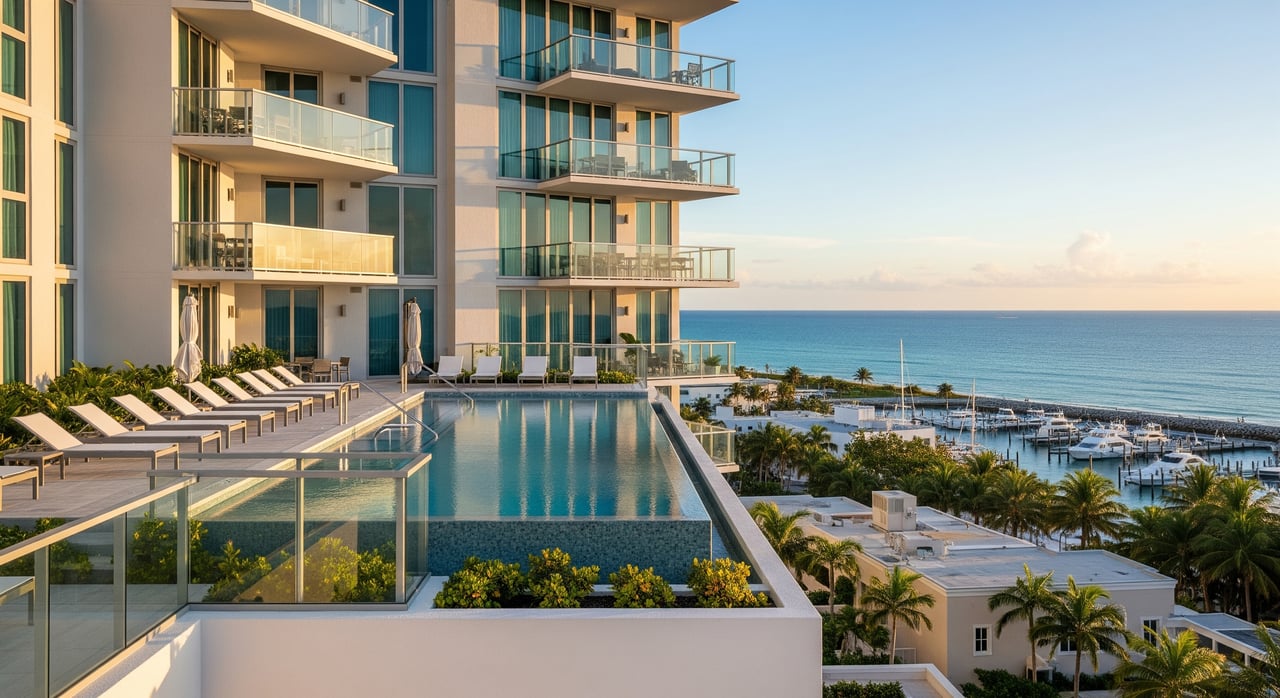
A stunning view should not come with a surprise five‑ or six‑figure bill. If you are shopping condos in South of Fifth, you already know the lifestyle is exceptional. What you may not see at first glance is how reserves, insurance, and special assessments can shape your true cost of ownership. In this guide, you will learn what to request, how to read it, and how to protect your purchase in Miami Beach. Let’s dive in.
Why assessments matter in South of Fifth
Oceanfront buildings in Miami Beach face salt air, humidity, and storm exposure. These conditions speed up wear on façades, balconies, windows, and roofs. Over time, that can mean sizable capital projects and higher association costs.
After the 2021 Surfside collapse, structural safety and inspections received more scrutiny across South Florida. Many municipalities require periodic recertification for multi‑story buildings. If required repairs follow an inspection, associations may raise monthly dues or levy special assessments.
Market effects are real. Buildings with low reserves or unresolved structural items can be harder to finance or insure. That can influence resale timelines and pricing. As a buyer in South of Fifth, plan for thorough due diligence before you commit.
Reserves, studies, and special assessments explained
Reserve fund. Money the association sets aside for future capital repairs and replacements, separate from the operating budget. Typical items include roofs, exterior painting, elevators, HVAC for common areas, pool decks, and the building envelope.
Reserve study. A professional report that lists major components, their useful lives, estimated replacement costs, and a funding plan. It helps you see what is coming and how well the association is preparing.
Percent funded. A measure of reserve strength compared with what the study recommends. A low percent funded often points to a higher chance of future assessments or steep increases in regular dues.
Special assessment. A one‑time or limited‑term charge to owners when reserves and the operating budget are not enough. Triggers include emergency repairs, planned capital projects, cost overruns, or large insurance deductibles after a storm.
Approval and allocation. The declaration and bylaws govern who can approve an assessment and when a membership vote is required. Amounts are usually allocated to units based on the governing document’s percentage interest formula. Payment can be due in a lump sum or installments.
What to request before you offer
Ask for these documents early. Many are included in the resale certificate or available from management.
- Budgets and financials
- Current operating budget and the last 2–3 years of budgets
- Most recent financial statements, including balance sheet and cash flow
- Current reserve account balances and any restrictions
- Planning and reserves
- Most recent reserve study and updates, including the author and date
- Reserve funding plan and schedule of upcoming capital projects with bids, costs, and timelines
- Assessment history and governance
- Special assessments from the last 5–10 years and any approved but unbilled amounts
- Board meeting minutes for the last 12–24 months
- Governing documents that outline assessment approval thresholds
- Risk and insurance
- Association insurance declarations with coverage and deductibles for windstorm and flood
- Owner delinquency rate, liens, and any pending or threatened litigation
- Building condition and compliance
- Engineer reports, recertification status, and remediation records
- Permit history and open permits
- Age and last replacement dates for roof, windows/doors, balconies, pool deck, elevators, and common‑area HVAC
- Operations and use
- Vendor contracts for management, elevators, roofing, façade or structural consultants
- Unit owner occupancy and rental percentages, plus any rental restrictions
How to read the numbers
Reserve strength and the funding gap
Start with the reserve study and current reserve balance. Compare what the study recommends with what the association has. If the gap is large and major work is near term, expect either higher monthly dues or a special assessment.
Here is a simplified illustration. If a reserve study recommends 2 million dollars and current reserves are 200,000 dollars, there is a 1.8 million dollar shortfall. In a 180‑unit building, that would average about 10,000 dollars per unit, before any differences in allocation under the governing documents. Actual amounts vary by unit entitlement and the final project scope.
Insurance and deductibles
Coastal associations often carry percentage‑based windstorm deductibles tied to the insured value. After a storm, a large deductible can translate into a multi‑million dollar out‑of‑pocket expense for the association, which may be billed to owners through an assessment. Review the policy summary and deductible structure, then consider how that exposure fits your risk tolerance.
Delinquencies, litigation, and cash flow
A high owner delinquency rate weakens cash flow and can force short‑term assessments. Pending litigation can also impact insurance, cash reserves, and lender reviews. Read minutes and financials to understand trends, not just a single snapshot.
Local checks for South of Fifth
Recertification and permits
Confirm whether the building has completed required structural recertification and whether there are open remediation items. Review recent engineer reports, city notices, and the permit history. Active remediation work can be a positive sign, but it often precedes assessments when reserves are thin.
Coastal risk and flood planning
South of Fifth is close to the ocean and Biscayne Bay. Review flood exposure, storm surge risk, and whether the association carries or recommends flood coverage for common elements. Owners often need separate flood insurance for contents and interior finishes.
Contractor market and cost volatility
In Miami Beach, post‑storm demand and supply constraints can push bids higher than initial estimates. Compare board‑approved budgets to actual contractor contracts and change orders in the minutes. Expect timelines and costs to shift, especially for façade and envelope work.
Occupancy and rental policies
Owner‑occupancy levels and rental restrictions can affect financing eligibility and cash flow. Confirm current percentages and policy changes in meeting minutes and resale disclosures.
Financing, closing, and resale implications
Condo project eligibility standards for conventional and government‑backed loans look at owner occupancy, reserve practices, insurance coverage, commercial income concentration, litigation, and recent or large special assessments. Buildings with material assessments or underfunded reserves can face extra lender scrutiny.
Your lender may require the resale certificate, budgets, and insurance summaries. At closing, lenders often ask that any due assessments be paid or escrowed. If an assessment becomes effective before closing, negotiate who pays and how it will be handled on the settlement statement.
On resale, buyers and lenders will ask the same questions you are asking now. Strong reserves, clear inspection records, and transparent planning support liquidity and value.
Red flags and green lights
- Red flags
- Very low reserve balance with large near‑term projects in the reserve study
- Recent or recurring water intrusion, corrosion, or spalling noted in reports
- Failed or incomplete recertification or open remediation orders
- High owner delinquency rate or significant unresolved litigation
- Large percentage‑based windstorm deductible with no contingency plan
- Frequent short‑term special assessments in recent years
- Green lights
- Current reserve study with a realistic funding plan and steady contributions
- Completed major capital projects within the last 5–10 years
- Clear recertification status and documented remediation
- Stable delinquency levels and transparent financial reporting
- Insurance program with understandable deductibles and risk planning
Practical questions to ask the board or management
- What is the current reserve balance and when was the most recent reserve study completed, with which firm?
- Are any special assessments pending or approved? What is the amount, reason, and payment schedule?
- Has the building completed required structural recertifications and related repairs? Are there open permits?
- What is the current owner delinquency rate and are there any pending or threatened claims or litigation?
- What does the association insurance program cover and what are the hurricane and flood deductibles?
- Which capital projects were completed in the last 5–10 years and what is next on the schedule?
A step‑by‑step due diligence plan
- Request the resale certificate and full association document package early. Build room in your timeline to review.
- Compare the reserve study to current reserve balances and the upcoming project schedule. Identify gaps.
- Read 12–24 months of board minutes to spot cost overruns, contractor changes, and talk of assessments or loans.
- Review the insurance declarations. Note windstorm and flood deductible structures and any exclusions.
- Check engineer reports, recertification status, and permits for evidence of structural or envelope work.
- Confirm delinquency rates, litigation, and commercial income. Share findings with your lender for early feedback.
- Structure your offer with document review contingencies. If needed, negotiate seller contributions or escrow for known assessments.
- Engage specialists when warranted, including a condo‑experienced attorney and, if appropriate, an engineer to review recent reports.
Budgeting for reality
Fold the association’s financial picture into your monthly cost. Add condo dues to your mortgage payment, property taxes, and insurance. Then estimate potential assessment exposure. If the reserve study shows a major project within two years and reserves are thin, model what an assessment could look like based on the projected shortfall and unit count. Use installment assumptions if the association commonly spreads payments over time.
If a hurricane hits, understand how a percentage‑based deductible might be allocated to owners. Align that exposure with your cash reserves and risk appetite. A well‑funded reserve and a thoughtful insurance program can reduce, but not eliminate, the chance of a special assessment.
Make a confident move
The best South of Fifth purchases blend lifestyle with clarity on the numbers. When you pair a careful document review with local insight on building condition, insurance, and recertification, you protect your time and capital. If you want a refined search process and disciplined due diligence, connect with the boutique luxury team that lives this market every day. Work with Robert Posner and Monika Olimpiew to secure the right condo with confidence.
FAQs
What is a condo special assessment and why is it used?
- A special assessment is a one‑time or limited‑term charge to owners when reserves and the operating budget are not enough to cover capital projects, emergency repairs, or large insurance deductibles.
How can I tell if a South of Fifth building might assess soon?
- Look for a low percent funded in the reserve study, major near‑term projects, recent engineer findings, or board minutes discussing projects or loans. These are early warning signs.
How do reserve studies affect my purchase decision?
- The reserve study reveals which components will need work, when, and at what cost. Comparing those needs to current reserves shows whether dues increases or assessments are likely.
Can a lender deny my loan due to assessments or reserves?
- Yes. Large or recent assessments, underfunded reserves, litigation, or insurance gaps can cause a building to fail project eligibility checks or trigger extra conditions.
Who pays an assessment that is approved before closing?
- Responsibility depends on the timing, governing documents, and contract terms. Many lenders require that due assessments be paid or escrowed at closing, so negotiate this during contract.
What documents should I review to understand assessment risk?
- Request the resale certificate, budgets, financials, reserve study and balances, board minutes, insurance summaries, engineer and recertification reports, vendor contracts, and litigation disclosures.