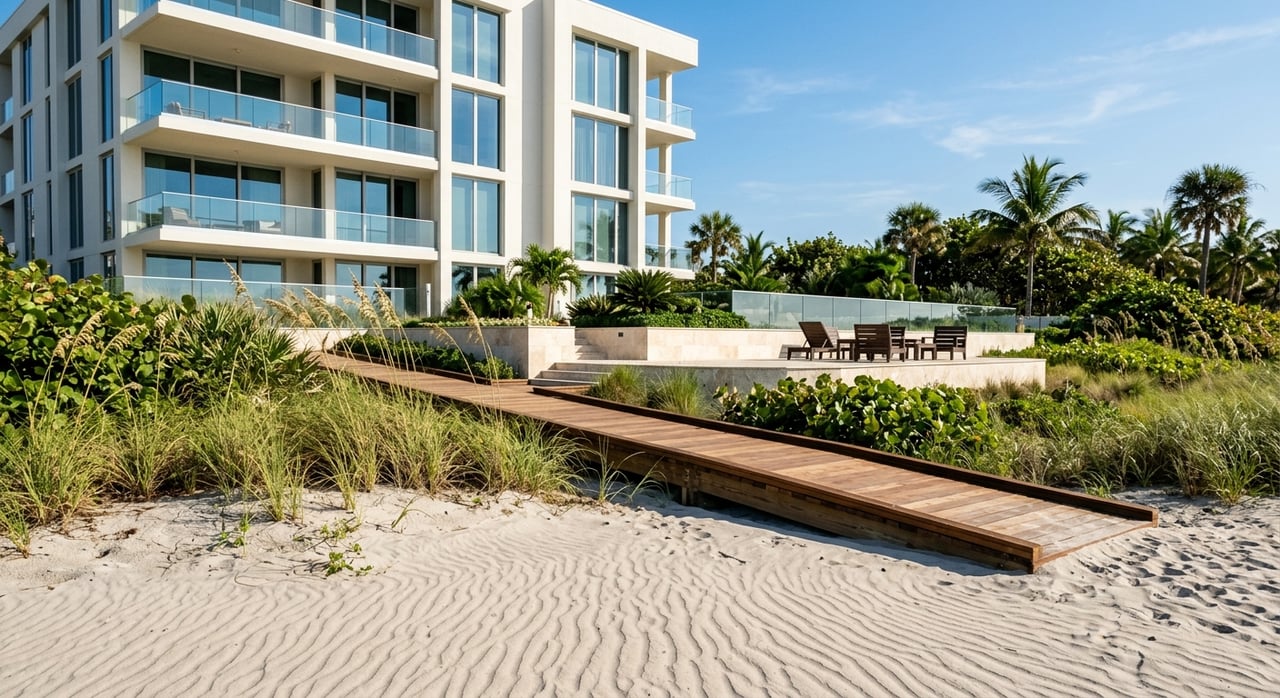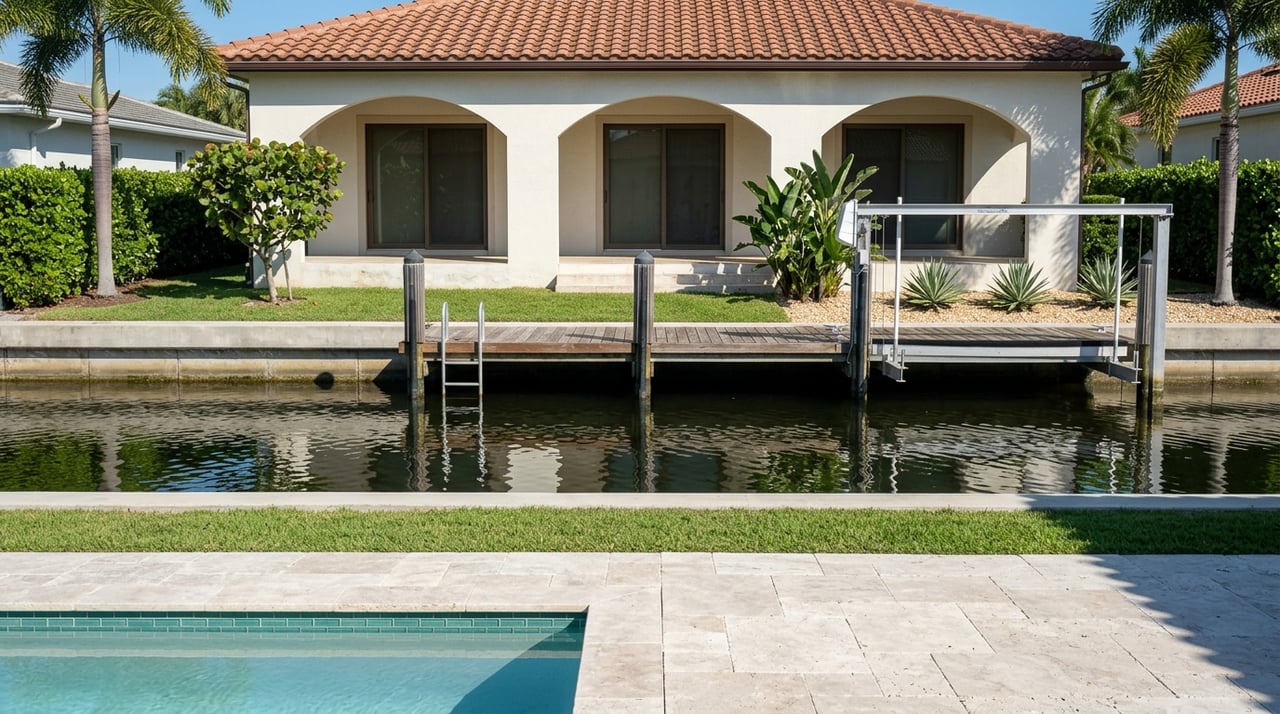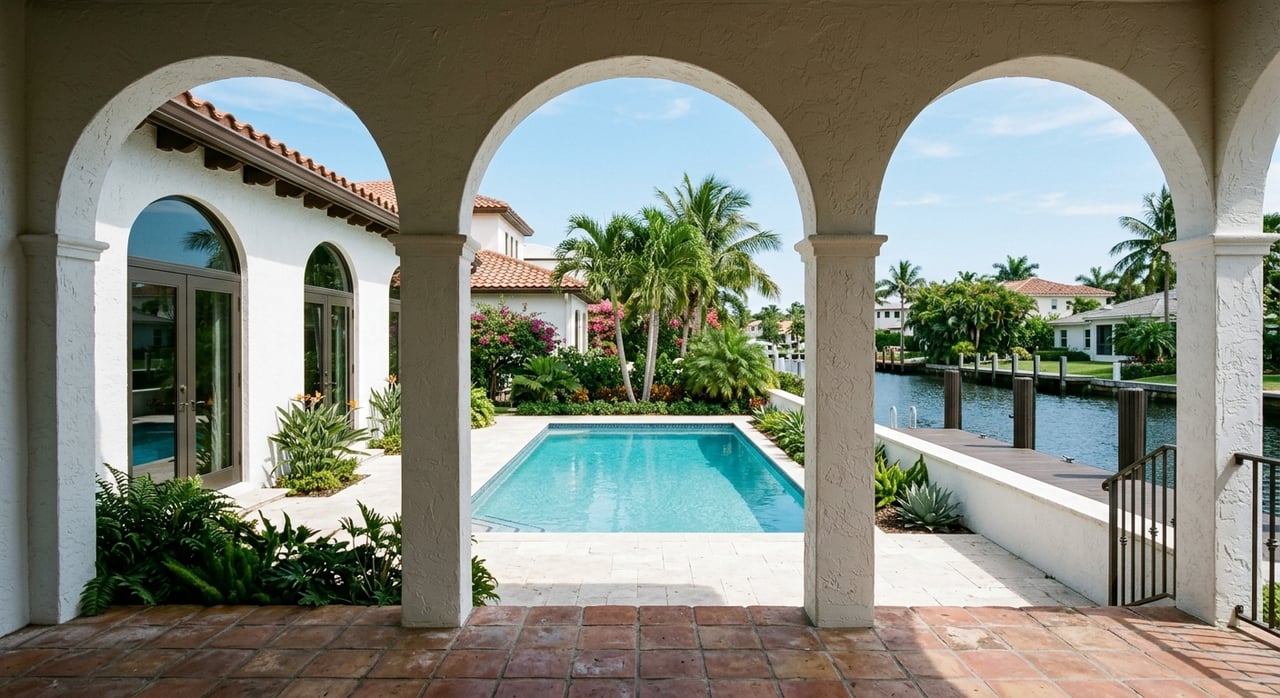
Looking for more space without giving up the waterfront lifestyle you love? Coconut Grove stands out because it offers a rare mix of bay access, leafy residential streets, and everyday convenience in one of Miami’s most established neighborhoods. If you are a growing household weighing lifestyle, housing options, and practical tradeoffs, this guide will help you understand what makes the Grove appealing and what you should evaluate before you buy. Let’s dive in.
Why Coconut Grove Works for Growing Families
Coconut Grove offers a different kind of waterfront living than many South Florida buyers first imagine. Instead of a beach-district feel, you get a village-like setting with marinas, parks, shaded streets, and low-rise homes near Biscayne Bay. That combination can be especially appealing when you want more room and a more residential rhythm.
The City of Miami’s Coconut Grove NCD-3 zoning overlay helps preserve the area’s landscaped character, tree canopy, green space, unique property sizes, and bay-oriented identity. In practical terms, that means the neighborhood often feels more established and less uniform than newer communities. For many buyers, that character is part of the value.
Another day-to-day benefit is mobility. The City of Miami trolley serves Coconut Grove and stops at parks, shopping areas, City Hall, and Metrorail stations. If you want a neighborhood where errands and outings can feel more connected, that local access matters.
Waterfront Access Beyond the View
For many buyers, waterfront living is not just about seeing the water. It is about being able to use it as part of your routine. Coconut Grove delivers that with one of the area’s most recognized boating hubs and several public parks along the bay.
Dinner Key Marina and boating access
Dinner Key Marina is the neighborhood’s flagship marina. According to the City of Miami, it includes 587 slips and more than 250 moorings, with capacity for boats ranging from 30 to 135 feet. It is also within walking distance of the heart of Coconut Grove village and CocoWalk, which gives the area a useful blend of waterfront function and everyday convenience.
If your ideal weekend includes being on the bay rather than driving to it, that setup can be hard to match. You can enjoy a boating-oriented lifestyle while still being close to shops, dining, and neighborhood services. That is a very different experience from living in a more isolated waterfront pocket.
Parks that support everyday life
Peacock Park is a 9.4-acre waterfront urban park at 2820 McFarlane Road with direct access to the Intracoastal Waterway. In the broader Grove area, Kennedy Park, Armbrister Park, and The Barnacle Historic State Park add more outdoor options, including sports, camp, dog-friendly space, and historic waterfront settings.
For a growing household, these spaces can shape how the neighborhood feels from one week to the next. Access to parks can make it easier to build outdoor time into your normal routine, not just your weekends. That is one reason Coconut Grove often appeals to buyers who want a near-water lifestyle without a resort-style atmosphere.
Housing Options in Coconut Grove
One of Coconut Grove’s biggest strengths is its housing variety. The neighborhood is not defined by one standard home type or one predictable lot pattern. Instead, the local zoning framework supports a range of property sizes that can fit different goals as your space needs change.
Under NCD-3, the lot framework includes single-family lots under 10,000 square feet, large lots of 10,000 square feet and above, oversized lots of 20,000 square feet and above, and estate lots of one acre or more. For buyers, that can mean options ranging from compact historic homes to larger bay-adjacent estates.
That variety can be especially useful if you are upsizing but still deciding what “more space” should mean. Some households want more bedrooms and yard space. Others want room for guests, a home office, or a property with long-term flexibility.
Architectural character you can feel
Coconut Grove is also known for architecture with a strong sense of place. City historic-preservation guidance references Bahamian or Conch cottages, Bungalows, Frame Vernacular houses, Masonry Vernacular buildings, Mediterranean Revival residences, and later Miami Modern design.
The result is a neighborhood that often feels layered and distinctive rather than master-planned. The Village Island West design guidelines also reinforce the importance of reflecting native building traditions and the legacy of early Coconut Grove settlers. If you are drawn to homes with individuality, this is part of the neighborhood’s appeal.
What Buyers Should Watch Closely
Character-rich neighborhoods often come with more complexity than newer subdivisions. Coconut Grove is no exception. If you are considering an older home, your due diligence should go beyond layout, finishes, and location.
Historic and design review rules
The City of Miami requires a certificate of appropriateness for work on historic properties, including window replacements and new construction. Coconut Grove West preservation staff handles those reviews. If you are planning changes after closing, review requirements early so your budget and timeline match the reality of the property.
In NCD-3, all demolition permits require a waiver and referral to Planning for tree-preservation review. The city’s tree ordinance also states that no building permit may be issued for work that could affect trees unless the proper tree permit or pruning permit has been obtained. In a neighborhood known for its canopy, that protection is a major part of ownership.
Flood considerations and coastal planning
The City of Miami notes that coastal areas are prone to flooding and maintains elevation certificates for many properties. The city also applies the 50% rule to substantially damaged or improved homes in flood zones. In addition, Coconut Grove-area seawall improvements are moving forward to help alleviate localized flooding.
This does not mean every property presents the same level of flood-related concern. It does mean you should evaluate elevation, flood-zone status, improvement history, and any future renovation plans with care. For buyers considering older waterfront or near-water homes, this step is essential.
School Planning Is Address-Specific
If schools are part of your home search, do not assume that a Coconut Grove address automatically leads to a specific attendance path. Miami-Dade County Public Schools states that a child’s assigned school is based on the home address. That makes address-level verification an important part of your search.
Nearby public options referenced in the research include Coconut Grove Elementary at 3351 Matilda Street, Ponce de Leon Middle School at 5801 Augusto Street in Coral Gables, and Coral Gables Senior High at 450 Bird Road, which is also an International Baccalaureate school.
Private school options in and around the Grove include Ransom Everglades School, with campuses at 2045 South Bayshore Drive and 3575 Main Highway, St. Stephen’s Episcopal Day School at 3439 Main Highway, and Carrollton School of the Sacred Heart at 3747 Main Highway. For many buyers, that range of nearby options is part of Coconut Grove’s long-term appeal.
Coconut Grove vs. Coral Gables and Miami Beach
If you are comparing neighborhoods, it helps to understand Coconut Grove in context. Coral Gables is known for wide tree-lined avenues, monumental buildings, green space, ornate plazas, and a Mediterranean architectural style. Miami Beach is a barrier-island city defined by beaches, bayfront geography, and a long public Beachwalk.
Coconut Grove offers a different experience. It is more village-like and bay-oriented, with marinas, parks, historic low-rise housing, and a shaded residential feel. If your priority is waterfront access paired with neighborhood character and a less resort-driven setting, the Grove may feel like the more natural fit.
Is Coconut Grove Right for Your Next Move?
For growing households, Coconut Grove’s value proposition is clear. You get a combination of water access, mature greenery, walkability to parks and village amenities, and a wide mix of home styles and lot sizes. That can be compelling when you want more space without losing the lifestyle benefits that make South Florida special.
The tradeoff is complexity. Older homes may involve more diligence around flood conditions, permitting, preservation rules, and tree protections. But for many buyers, that is exactly what comes with a neighborhood that has identity, history, and lasting appeal.
If you are considering a move to Coconut Grove and want guidance grounded in local nuance, connect with Robert Posner and Monika Olimpiew. Their white-glove approach and market knowledge can help you evaluate waterfront opportunities with clarity and confidence.
FAQs
What makes Coconut Grove waterfront living appealing for growing families?
- Coconut Grove offers bay access, marinas, parks, trolley service, mature tree canopy, and a range of home sizes, which can make it attractive for households seeking more space and a residential waterfront setting.
What should buyers know about Coconut Grove home renovation rules?
- Buyers should know that historic properties may require a certificate of appropriateness for certain work, and projects that affect trees or involve demolition can require additional city review and permits.
What waterfront amenities are available in Coconut Grove?
- Key amenities include Dinner Key Marina, which has 587 slips and more than 250 moorings, plus waterfront parks such as Peacock Park, Kennedy Park, Armbrister Park, and The Barnacle Historic State Park.
How do school assignments work for Coconut Grove homebuyers?
- Public school assignment is based on the property address, so buyers should verify school zoning for any specific home they are considering.
How is Coconut Grove different from Coral Gables and Miami Beach?
- Coconut Grove is generally more village-like and bay-oriented, with historic low-rise housing, marinas, and shaded neighborhood streets, while Coral Gables and Miami Beach offer different architectural, urban, and coastal settings.
What is important to check before buying an older Coconut Grove home?
- Buyers should closely review flood-zone details, elevation records where available, renovation history, permit requirements, tree-related restrictions, and any historic designation that may affect future improvements.