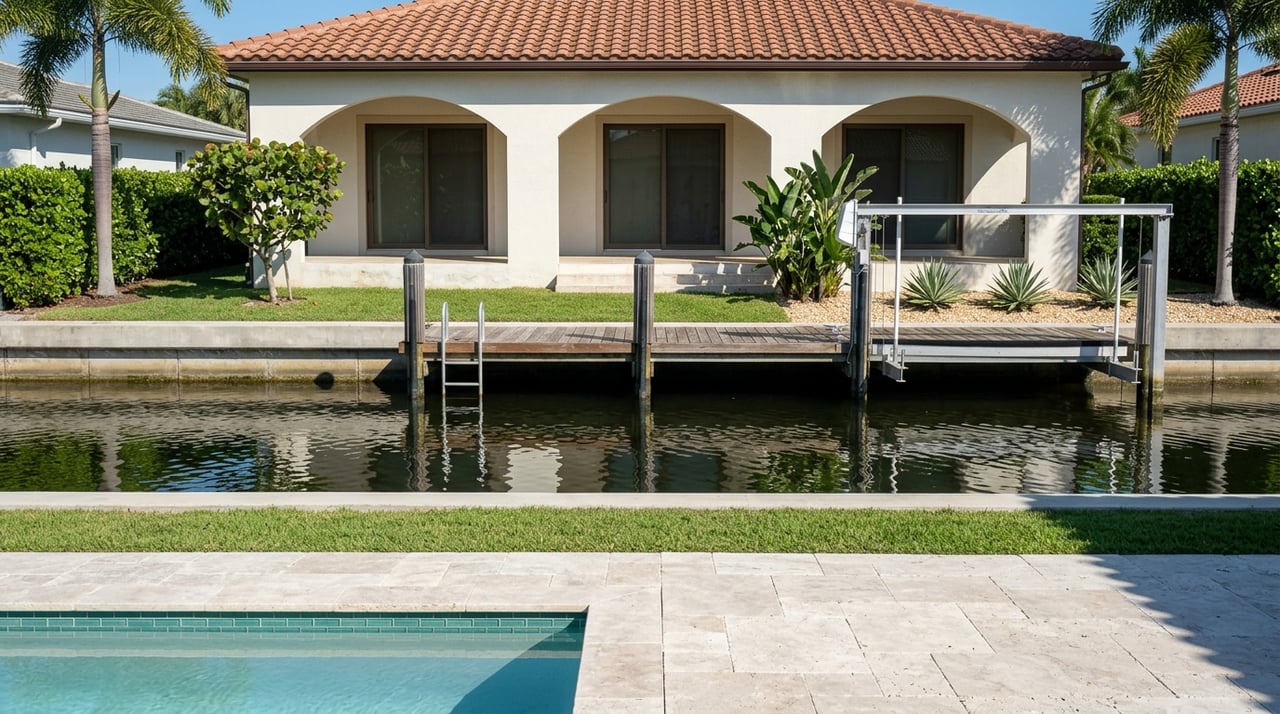
If you love the idea of stepping from your backyard to your boat, Fort Lauderdale makes that vision feel unusually real. This is a city where the water is not just a backdrop. It shapes how you move, dine, relax, and even how you evaluate a home. If you are considering a waterfront property here, understanding the lifestyle means looking beyond the view and into the boating details that define daily life. Let’s dive in.
Why Fort Lauderdale Appeals to Boaters
Fort Lauderdale has long built its identity around the water. The city notes that it has 165 miles of scenic inland waterways, which helps explain why boating feels woven into everyday life rather than reserved for weekends or special occasions. You see that local character in the canal system, the New River, the Intracoastal Waterway, nearby inlets, and the city’s beach frontage, as described on the City of Fort Lauderdale waterways overview.
That boating culture also shows up in practical ways. According to the city’s marine facilities information, the Intracoastal is lined with marinas, waterfront restaurants, nightspots, public docking, and boat-launch sites. The same page also highlights Clean Marina designations, reinforcing that boating here is part of the local infrastructure and lifestyle.
What Waterfront Living Really Means
In Fort Lauderdale, not all waterfront homes offer the same boating experience. A property on the New River gives you one kind of access and atmosphere, while an Intracoastal lot, a finger canal home, or an inlet-adjacent property can feel very different day to day. The city’s waterways resources make clear that canals, rivers, the Intracoastal, inlets, and beach areas are all part of the system.
For you as a buyer, that means the water itself matters as much as the house. Dock potential, route to open water, bridge patterns, seawall condition, and proximity to marinas or dining can all shape whether a property fits your boating routine. In a market like Fort Lauderdale, square footage is only part of the story.
Waterfront Areas Buyers Should Know
Fort Lauderdale’s public neighborhood mapping tools help identify many of the waterfront pockets buyers will recognize during a home search. The city’s GIS neighborhood legend highlights areas such as Rio Vista, Las Olas Isles, Seven Isles, Harbor Beach, Lauderdale Harbours, Lauderdale Isles, Harbour Inlet, Harbour Isles, Coral Ridge Isles, Sunrise Intracoastal, Sunrise Key, and Dolphin Isles.
Here are a few areas that are especially useful to understand if you are moving from a condo lifestyle into a waterfront house.
Rio Vista and Rio Vista Isles
Rio Vista offers a strong blend of historic character and boating access. The city’s Rio Vista architectural survey places the neighborhood between US-1, the Intracoastal Waterway, the New River, and SE 12th Street.
Its history is closely tied to dredged finger islands and canal-era development, which makes it a great example of Fort Lauderdale’s early waterfront evolution. You will also find a varied housing mix here, including Mediterranean Revival, Mission Revival, bungalow, ranch, and Mid-Century Modern styles. For buyers who want character as well as water access, that variety can be part of the appeal.
Las Olas Isles and Seven Isles
Las Olas Isles and Seven Isles are often the classic image buyers have in mind when they picture Fort Lauderdale boating life. These finger-isle neighborhoods east of downtown are closely associated with dockable lots and a strong waterfront identity.
They are also easy to place on a map because the city’s infrastructure and utility updates for Las Olas Isles reference streets like Mola Avenue, Isle of Capri Drive, Bontona Avenue, Lido Drive, San Marco Drive, Coral Way, Royal Plaza Drive, and Isle of Palms Drive. If you are comparing listings, understanding those street patterns can help you better judge location, orientation, and boating convenience.
Harbor Beach and Breakwater Area
If inlet proximity matters most to you, Harbor Beach deserves a close look. The city’s Harbor Beach historic survey material explains that this barrier-island area sits north of the Port Everglades inlet and began developing after World War II.
The same material describes the Breakwater Beach Surf Club Homes section as entirely single-family, with many small one-story ranch homes from the 1950s alongside newer rebuilds. That creates an interesting mix of original postwar homes and larger modern replacements. For boaters focused on faster ocean access, this part of Fort Lauderdale offers a distinct value proposition.
Coral Ridge Country Club Estates and Coral Ridge Isles
Some buyers want waterfront access with a more suburban street layout and established residential feel. In that case, Coral Ridge Country Club Estates and nearby Coral Ridge Isles can be useful comparison areas.
The city’s mobility master plan describes Coral Ridge Country Club Estates as an established northeast neighborhood bounded by Federal Highway, Oakland Park Boulevard, the Intracoastal Waterway, and Commercial Boulevard, with a mix of single-family and some multi-family homes. For buyers balancing boating goals with a broader neighborhood layout, this can be an important alternative to the more tightly packed finger-isle pockets.
Daily Life on the Water
One of the biggest draws of Fort Lauderdale is that boating can be part of your normal routine. The city’s marine facilities page notes that the Intracoastal is lined with marinas, waterfront restaurants, and nightlife, which means your boat can connect you to dining and entertainment as much as recreation.
The New River adds another layer to that lifestyle. Fort Lauderdale’s free Water Trolley service operates with eight stops along the river in partnership with Water Taxi and Riverwalk Fort Lauderdale. Even if you are buying a private home rather than relying on public transport, that river activity helps illustrate how closely waterfront living and city access connect here.
Why Inlet Access Matters
For many boaters, waterfront living is really about how easily you can reach open water. In Fort Lauderdale, Port Everglades is the main inlet and port area, and the official Port Everglades location page identifies the SE 17th Street entrance.
That geography matters because two homes with similar dock setups can offer very different boating routines depending on where they sit in relation to the inlet. If you plan to head offshore often, areas closer to Harbor Beach and the southeast barrier-island sections may feel very different from homes farther inland. Time on the water is not just about distance. It is also about route efficiency.
Practical Ownership Questions to Ask
Fort Lauderdale’s waterfront lifestyle is exciting, but the smartest buyers also focus on infrastructure. The city’s flood information page explains that local canals and rivers help manage stormwater runoff. The city’s Chief Waterways Officer page also points to ongoing concerns around water quality, safety, navigability, canals, rivers, the Intracoastal, and inlets.
That means your home search should include more than aesthetics. In older waterfront neighborhoods especially, seawalls, drainage, and nearby public works projects can all play a role in ownership costs and convenience.
As you compare homes, keep these questions in mind:
- Does the property have clear dock potential or existing docking features?
- How quickly can you reach Port Everglades or your preferred boating route?
- Are there bridge openings that could affect your routine?
- What do you know about the seawall and surrounding waterway infrastructure?
- How close are you to marinas, public docking, dining, and downtown access?
The city even notes on its Water Trolley page that bridge delays can affect service, which is a useful reminder that boating logistics in Fort Lauderdale are part of everyday planning.
The Housing Stock Is Not One-Size-Fits-All
One reason Fort Lauderdale stays so compelling for waterfront buyers is the range of home styles tied to different eras of development. Public city materials show a market that includes canal-era homes from the 1920s, postwar ranch houses near the inlet, and newer custom rebuilds on dockable lots, all within the same broader waterfront story.
The city’s broader historic context documents support that layered picture. For you, that means the search is often about choosing not just a house, but a version of the waterfront lifestyle. Some buyers want original charm and central location. Others want newer construction, larger docks, or a quicker run to the ocean.
Choosing the Right Fit for Your Lifestyle
The best Fort Lauderdale waterfront purchase is usually the one that matches how you actually plan to use the water. If you picture relaxed river cruising, dining by boat, and easy access to downtown, New River and nearby Intracoastal locations may stand out. If offshore access is a top priority, inlet-adjacent areas may deserve more attention.
The key is to evaluate each home through both a lifestyle lens and a boating lens. In Fort Lauderdale, the water is the amenity, the route, and part of the ownership equation all at once.
If you are exploring Fort Lauderdale’s waterfront lifestyle and want a polished, strategic perspective on South Florida luxury real estate, connect with Robert Posner and Monika Olimpiew. Their boutique approach pairs local market knowledge with a refined client experience to help you navigate complex waterfront decisions with confidence.
FAQs
What makes Fort Lauderdale appealing for boaters?
- Fort Lauderdale stands out because the city has 165 miles of scenic inland waterways, plus canals, the New River, the Intracoastal Waterway, inlets, marinas, and public docking that support everyday boating.
Which Fort Lauderdale waterfront areas are popular with boating buyers?
- Public city mapping highlights waterfront areas including Rio Vista, Las Olas Isles, Seven Isles, Harbor Beach, Coral Ridge Isles, Sunrise Intracoastal, Sunrise Key, Dolphin Isles, and several other canal and inlet-oriented neighborhoods.
Why does inlet proximity matter for Fort Lauderdale waterfront homes?
- Inlet proximity can affect how quickly you reach open water, and Port Everglades is the city’s main inlet and port area, making location an important part of the daily boating experience.
What should you check before buying a Fort Lauderdale waterfront house?
- You should look closely at dock potential, route to the inlet, bridge patterns, seawall condition, and the surrounding waterway infrastructure, since these factors can shape both convenience and long-term ownership.
Is Fort Lauderdale boating life only about private homes?
- No. The city’s marine and river systems also support public docking, marinas, boat-launch sites, waterfront dining, and the free Water Trolley on the New River, so the boating lifestyle extends beyond private docks.