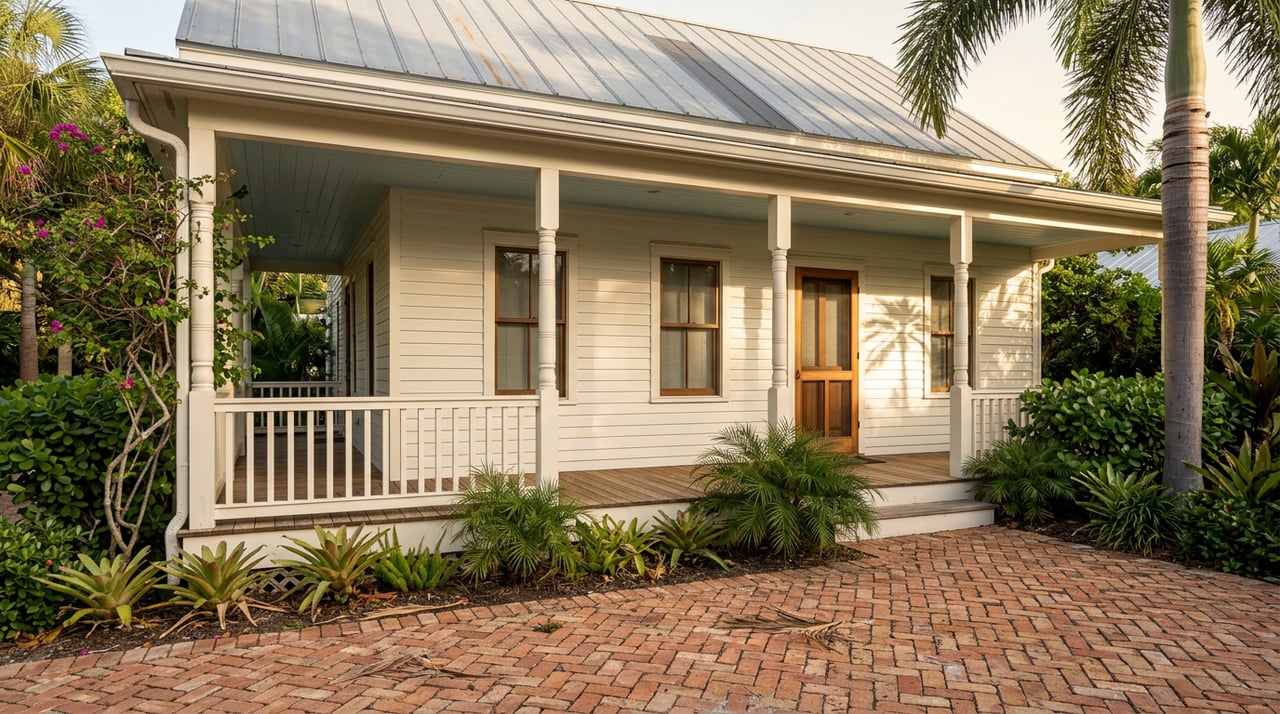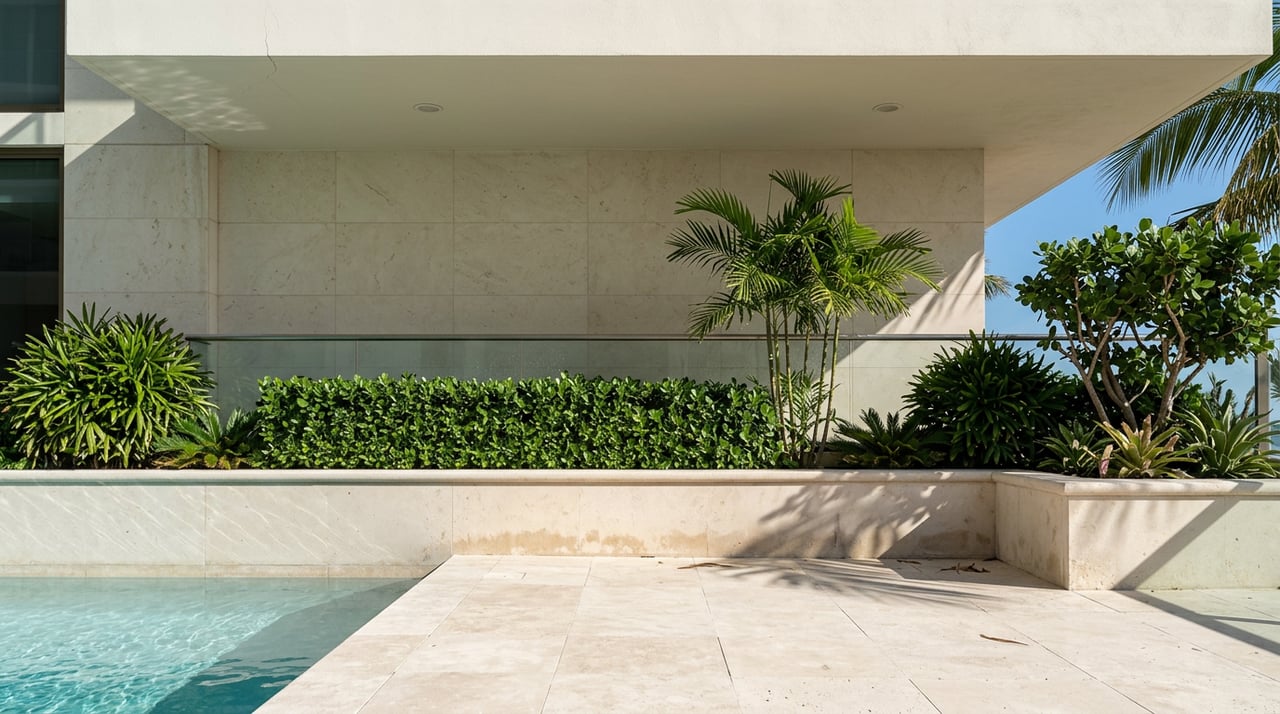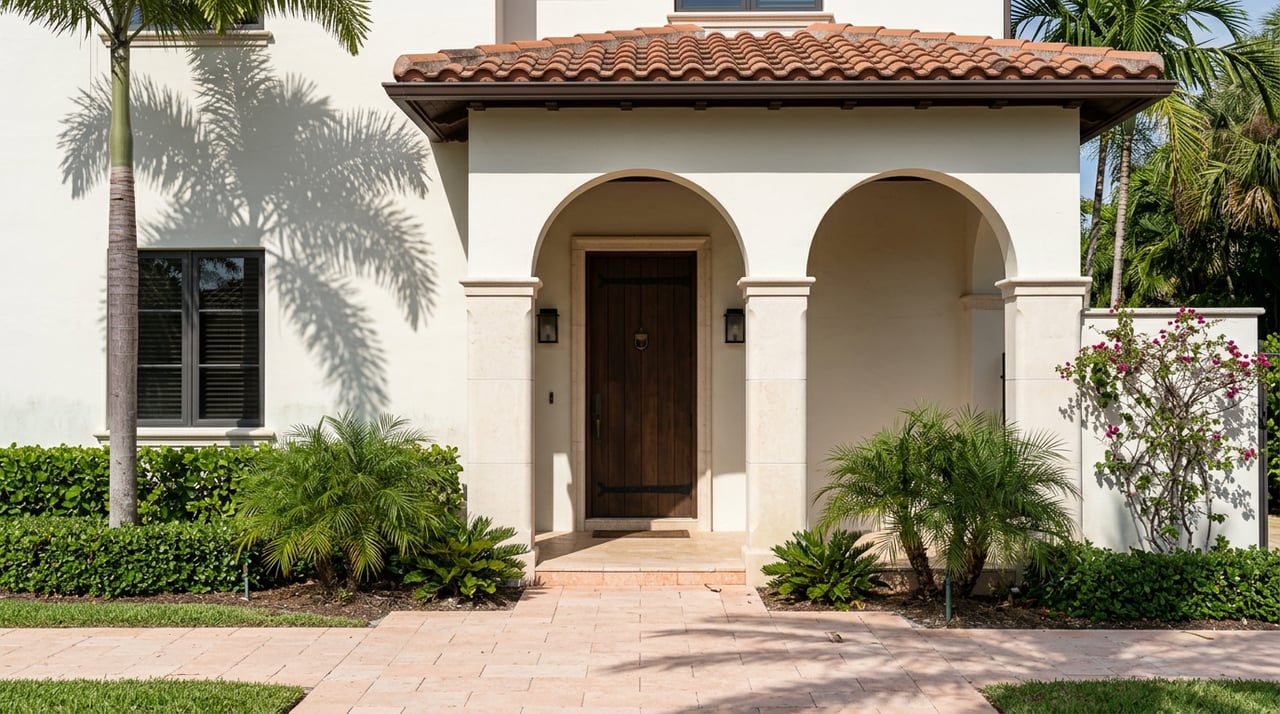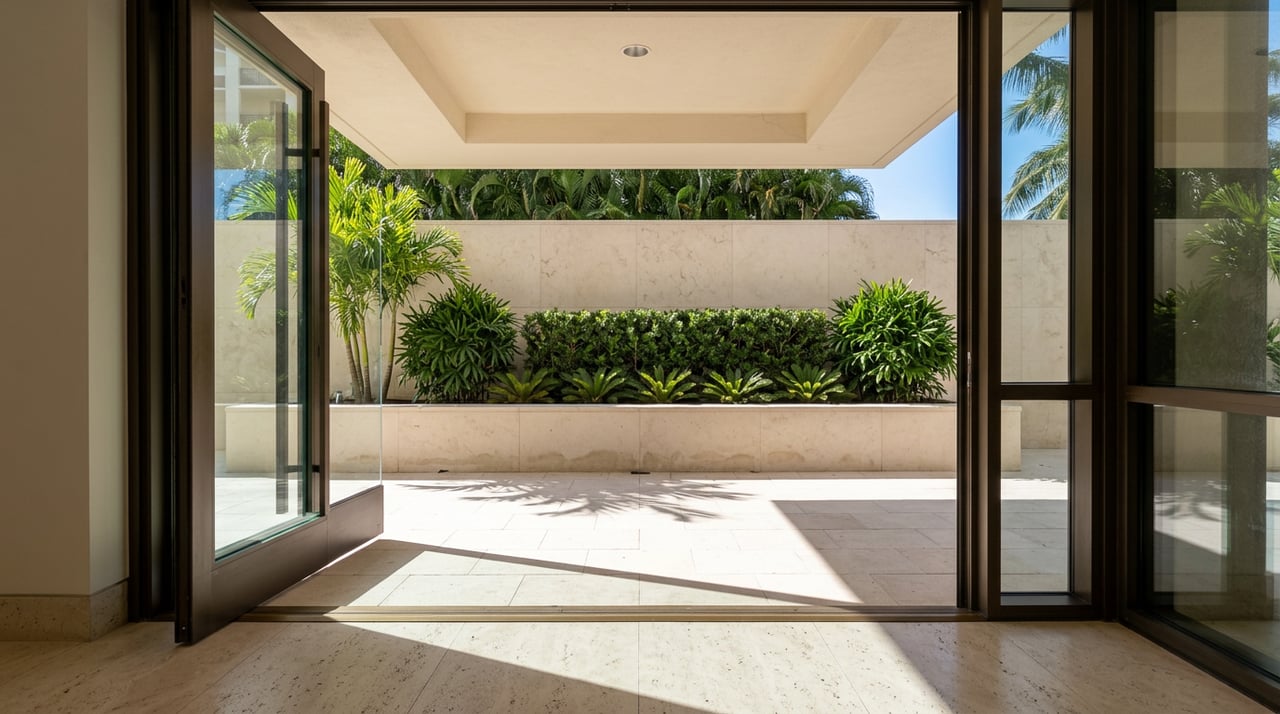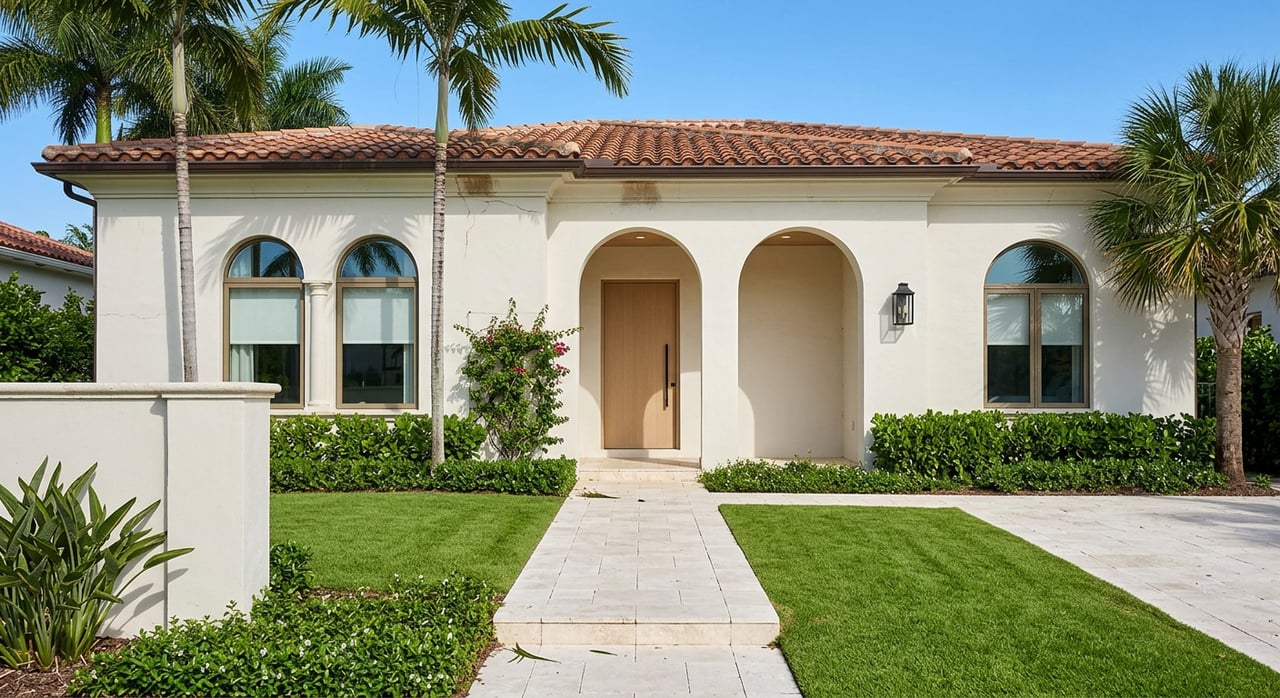
If you are weighing historic charm versus new luxury in Coral Gables, you are not just choosing a home style. You are also choosing a path for renovations, approvals, long-term upkeep, and how much flexibility you want after closing. In a city known for preservation, architectural character, and premium housing, that decision deserves a closer look. Let’s dive in.
Why Coral Gables Makes This Choice Different
Coral Gables calls itself the City Beautiful and the Garden City, and that identity shows up in its housing stock and city rules. According to the city, more than 1,000 properties are on the Coral Gables Register of Historic Places, its FY2023 annual report notes 1,450 locally designated properties, and a city budget document states that 11 properties are listed on the National Register of Historic Places. You can see that preservation focus on the city’s about Coral Gables page.
That means your buying decision is often more nuanced than simply old versus new. In Coral Gables, you may be comparing a character-rich Mediterranean Revival home with a newer luxury residence built for today’s code, comfort, and storm standards.
This is also a premium owner-occupied market. The U.S. Census QuickFacts for Coral Gables reports a median owner-occupied home value of $1,089,900 and an owner-occupied rate of 64.5%, which helps explain why buyers here are often balancing lifestyle priorities with long-term property strategy.
What Historic Charm Really Means
Historic homes in Coral Gables can offer architectural detail, mature landscaping, and a strong sense of place that is hard to duplicate. The city’s landmark resources highlight notable examples such as City Hall, Merrick House, Douglas Entrance, and the MacFarlane Homestead Historic District, where most homes were built between 1926 and 1939.
For many buyers, that appeal is emotional as much as practical. You may love original proportions, established trees, or the street presence that comes from early Coral Gables design. These features can create a living experience that feels deeply tied to the city’s history.
Still, character comes with responsibility. In Coral Gables, historic ownership is not just about curb appeal. It can also mean rules, reviews, and extra planning before you make exterior changes.
Historic designation affects more than you think
The city’s preservation guide explains that a Certificate of Appropriateness, or COA, can be required for alterations, demolitions, additions, or other work on designated landmarks or properties in historic districts. A special COA may be required for demolition, removal, reconstruction, alteration, or new construction. The city also defines alteration broadly enough to include changes in color, form, texture, and materials, as outlined in its historic preservation guide.
In practical terms, that can affect changes you might otherwise assume are straightforward. A repaint, a window replacement, or a façade update may trigger review if the home is designated or contributes to a historic district.
Demolition and redevelopment may involve extra review
If a property may be historically significant, the city can issue a Historical Significance determination that may help decide whether a demolition permit may be granted. The city also lists preservation-related tools and processes such as local designation, ad valorem tax abatement, cottage qualification, and COA applications on its development review process page.
That does not mean historic ownership is a burden. It means you should buy with clear expectations. If you want the option to make major exterior changes quickly, historic status deserves careful due diligence before you commit.
Why New Luxury Appeals to Many Buyers
If your priority is turnkey living, newer luxury homes can be very compelling. New construction often appeals to buyers who want current building standards, integrated systems, and fewer renovation unknowns after move-in.
Florida’s 8th edition building code became effective on December 31, 2023, according to the Florida Building Commission. In Miami-Dade County’s High Velocity Hurricane Zone, exterior openings must be protected by shutters or impact-resistant windows against wind-borne debris.
That code environment can matter in everyday living as much as during storm season. Many buyers value the peace of mind that comes with newer windows, updated systems, and homes designed around current resilience standards.
Energy efficiency and smart features can add comfort
The appeal of new luxury is not just structural. The U.S. Department of Energy says certified Efficient New Homes can deliver meaningful benefits in energy savings, comfort, health, and durability.
For buyers who want convenience, newer homes may also align better with integrated technology. Smart thermostats, lighting, and appliances can support comfort while helping reduce energy use, making new construction attractive if you prefer built-in performance over future retrofits.
New does not mean no oversight
Even newer homes in Coral Gables are still shaped by local design review. The city’s Board of Architects exists to keep architecture consistent with city regulations and traditional aesthetics, and its standards address color, materials, fenestration, and proportion.
For a typical permit, review can include preliminary and final approval before issuance. So while a new luxury home may reduce renovation surprises, it is still smart to understand what approvals were required and what future modifications may involve.
The Lot Can Matter as Much as the House
In Coral Gables, a home search should go beyond finishes and square footage. The lot itself can shape what you can build, expand, or preserve over time.
The city’s preservation guide states that new additions and related construction should not destroy historic materials and should be differentiated yet compatible with the building’s massing, size, scale, and architectural features. It also notes that additions should be designed so the essential form and integrity of the historic property would remain if the addition were removed later, according to the city’s preservation standards.
Corner lots and rear additions differ
Visibility matters. The guide notes that corner-lot additions are especially visible and can be harder to fit gracefully, while rear additions on interior lots may be less visible from the street.
That can make two seemingly similar properties very different from a planning standpoint. If you are considering a remodel or expansion, lot position may affect both design flexibility and approval complexity.
Setbacks, coverage, and parcel size matter
The same guide defines a building site as one or more platted lots or land under a Unity of Title agreement. It also defines setbacks and ground area coverage in ways that make parcel dimensions a real factor in what can be built.
In plain terms, a generous renovation vision still has to fit the site. Before you buy for “potential,” it helps to confirm whether the lot actually supports that potential.
Trees can affect timing and feasibility
Mature canopy is part of Coral Gables’ appeal, but it can also influence development plans. The city requires a tree survey and tree protection plan for Development Review Committee and Board of Architects submittals, as well as for demolition permits, based on the city’s Board of Architects requirements.
That means large trees are not just a visual asset. They can materially affect feasibility, timeline, and the size or placement of a future addition or new build.
How to Decide Which Option Fits You
For many buyers, the right answer comes down to your appetite for projects, approvals, and unknowns. Historic charm tends to fit buyers who value character, established landscaping, and a strong sense of place, and who are comfortable coordinating with preservation review when needed.
New luxury tends to fit buyers who want current code, impact protection, energy-efficient systems, and smart-home readiness, with fewer likely retrofit needs after closing. In Coral Gables, the most useful lens is not simply style. It is whether the home’s designation status, lot conditions, and tree constraints match your goals.
A simple way to frame your decision is to ask:
- Do you want architectural character that may come with approval requirements?
- Do you expect to renovate, expand, or rebuild in the future?
- How important are current-code systems and impact protection to you?
- Are you comfortable with added review tied to lot visibility, trees, or historic designation?
- Do you want a turnkey home, or are you open to a more hands-on ownership experience?
A Smart Buying Strategy in Coral Gables
In a market like Coral Gables, due diligence should happen early, not after you fall in love with a property. If you are considering a historic home, review whether it is designated, whether it contributes to a historic district, and what kinds of exterior changes may require a COA.
If you are considering new luxury, it is still worth understanding prior approvals, design constraints, and how the lot may shape any future plans. Either way, your best purchase is the one that aligns the home, the site, and your long-term lifestyle.
If you are exploring Coral Gables and want a polished, well-informed perspective on how a property’s style, lot, and approval path may affect your purchase, connect with Robert Posner and Monika Olimpiew. Their white-glove approach helps you evaluate not just what looks right today, but what fits your goals over time.
FAQs
What should you check before buying a historic home in Coral Gables?
- You should confirm whether the property is locally designated, located in a historic district, or subject to COA review for exterior changes such as paint, windows, additions, or demolition.
How do new luxury homes in Coral Gables differ from historic homes?
- New luxury homes often appeal to buyers who want current building code standards, impact protection, energy-efficient systems, and smart-home features with fewer renovation unknowns.
Can you easily expand a home in Coral Gables?
- Expansion depends on the property’s lot position, setbacks, ground area coverage, trees, and, if applicable, historic preservation rules that may affect additions and exterior changes.
Do trees affect redevelopment plans in Coral Gables?
- Yes, mature trees can affect feasibility and timing because the city requires a tree survey and tree protection plan for certain reviews and demolition permits.
Is a historic home or a newer luxury home better in Coral Gables?
- The better choice depends on whether you prefer architectural character and are comfortable with added review, or you want a more turnkey property with current-code features and fewer likely retrofit needs.